
Verify the source
Confirm the full web address and software publisher before opening an installer. Avoid links forwarded by unfamiliar accounts.
Read guide →Understand local keys, offline backups and multi-chain assets through clear, product-minded guidance. Keep custody of your credentials and review every transaction.
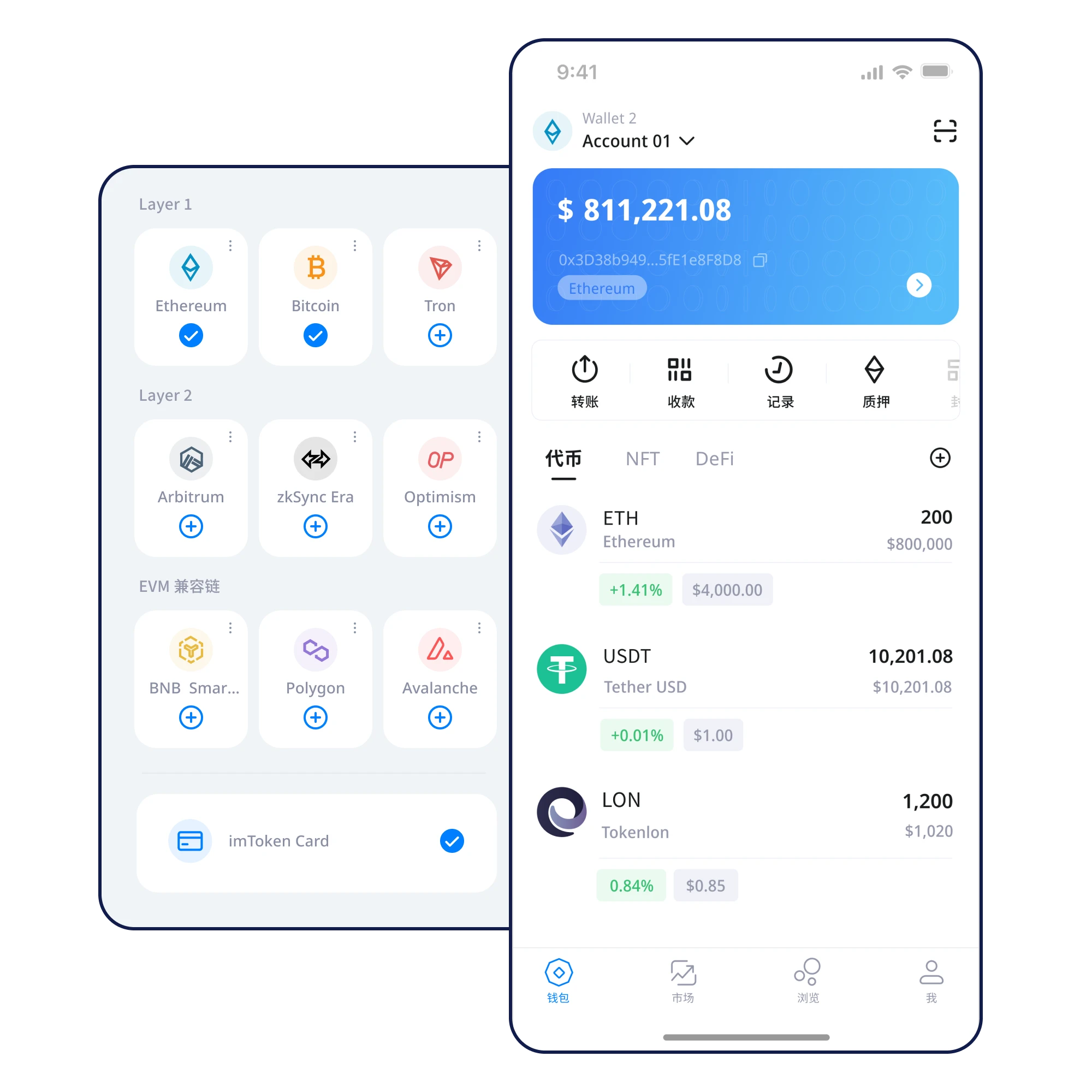
Interface preview · Illustrative data
Network and backup indicators are illustrative
This sample interface illustrates networks, balances and status — not live account data.
The same asset may exist on different networks. Confirm the network and token identity before reviewing fees or a transfer route.
Begin by verifying the source — not by sending assets. Each step links to a practical guide.
Confirm the full web address and software publisher before opening an installer. Avoid links forwarded by unfamiliar accounts.
Read guide →Follow the app setup carefully and distinguish creating a new wallet from importing existing credentials.
Read guide →Write down the recovery phrase in private, in the exact order displayed. Never upload it to a website.
Read guide →Keep an offline backup where only you can access it, and consider how you would recover after losing a device.
Read guide →Understand which network each asset belongs to, especially when using tokens such as USDT.
Read guide →Compare the recipient address, network, asset, amount and fee before confirming a transfer.
Read guide →Where your credentials live determines how you recover access. Reduce unnecessary online exposure and plan backups before funding a wallet.
Explore local key management →
A recovery phrase is not an ordinary login password. Know whether your backup is complete, how to restore and how to handle an old device.
Device migration guide →
Check the address, network, asset and fee before sending. Pause on unexpected approvals or urgent messages rather than following unknown links.
Transaction review guide →
Build safer habits for local credentials.
Understand assets on separate networks.
Check terms and approvals before swaps.
Recognize collectible asset risks.
Review smart-contract permissions.
Treat market displays as information, not promises.
Protect the credentials used to control your wallet.
Read the network, address and amount before signing.
Prepare and verify an offline recovery path.
Find the topic you need instead of learning everything at once.
Start with setup and safe credential handling.
Recognize how assets differ by network.
Verify all fields before signing.
📱Prepare your backup for a new device.
⚠️Identify suspicious requests early.
💾Keep a recovery path you can trust.
Inspect the domain and publisher.
Avoid unknown links and recovery requests.
Never share or upload a recovery phrase.
Confirm sender and recipient networks.
Compare multiple characters, not just the ends.
Complete recovery planning before transfers.
Self-custody means keeping the credentials needed to control assets. Verify how any specific app handles keys in its authentic documentation.
Network access is usually needed to read blockchain state. Recording a recovery phrase should be done privately and offline.
Record it offline in private, verify the order, and store it carefully. Do not photograph or send it to support agents.
A private key signs transactions for an address. A recovery phrase can derive and restore keys. Both are sensitive.
Check the source, backup plan and network before managing assets.
⬇ Download Now